



When a tooth’s enamel and inner structure are damaged by decay or fracture, a filling is one of the most reliable ways to restore strength, bite function, and appearance. Modern fillings rebuild the tooth’s natural contours so chewing feels comfortable again and the tooth can resist daily wear. The goal is not only to stop the progression of decay but to preserve as much healthy tooth as possible.
Cavities remain a common concern for people of all ages, and treating them early helps prevent more extensive procedures later. Fillings are typically conservative, predictable treatments that can be completed in a single visit for most cases. With advances in materials and techniques, today’s restorations are designed to be long-lasting while blending in with the rest of the smile.
At All About Smiles, our approach focuses on precise diagnosis and careful tooth preparation so your restoration performs well and looks natural. We emphasize patient comfort and clear explanations so you understand why a filling is recommended and what to expect during the procedure.
Humans have sought ways to repair damaged teeth for millennia, and the methods have improved dramatically over time. Early attempts relied on crude materials and rudimentary techniques, but as metallurgy and chemistry evolved, so did dental restorations. The 19th and 20th centuries saw the introduction of durable metal alloys that changed how dentists addressed cavities.
In more recent decades, aesthetic dentistry has driven innovation toward materials that more closely mimic natural tooth color and behavior. These developments have given clinicians a wider palette of options—each with its own strengths—so treatment can be tailored to the location of the cavity, the bite forces involved, and a patient’s cosmetic priorities.

There is no single “best” filling material for every situation. The right choice depends on where the cavity is located, how large it is, whether the tooth bears heavy chewing forces, and how much of the tooth needs to be preserved. We discuss these factors with each patient so the selected material balances durability, appearance, and long-term health.
Modern dentistry gives us options ranging from conservative, tooth-colored resins to lab-made ceramic restorations. Each material behaves differently under stress and with temperature changes, and each has a unique placement process. Understanding the pros and cons helps patients make informed decisions that align with their goals.
Below are commonly recommended restorative options and the situations in which they are most useful. Your dentist will review these and explain why a specific material is being recommended for your tooth.
Composite fillings are made from a blend of resin and tiny ceramic or glass particles. They are matched to your tooth shade and bonded directly to the remaining tooth structure, allowing for conservative preparations that preserve enamel. Because they adhere to the tooth, composites can help reinforce weakened areas and are a popular choice for visible front or back teeth when aesthetics are important.
Composites are placed in layers and cured with a special light to build strength. They offer a natural look and avoid the metallic appearance of older materials, though they may gradually show wear or staining over many years depending on diet and oral habits.
Amalgam restorations have been used for decades and are notable for their toughness in areas that face high chewing pressure. While they are silver in color and less discreet than tooth-colored options, amalgams remain a durable solution for certain back teeth when longevity and resistance to heavy forces are priorities.
Glass ionomer materials bond chemically to the tooth and slowly release fluoride, which can help protect the tooth’s edge from further decay. They are especially useful for small restorations near the gumline, primary (baby) teeth, or as temporary or transitional fillings. Glass ionomer is less wear-resistant than other options but offers benefits where moisture control or fluoride release is important.
Ceramic restorations are crafted outside the mouth from porcelain or other dental ceramics and then bonded to the tooth. They are highly wear- and stain-resistant and provide excellent aesthetics, closely matching the translucency and color of natural enamel. Ceramics are often selected for larger restorations that require superior resistance to chewing forces and an optimal cosmetic result.
Gold is a long-proven material known for its strength, longevity, and biocompatibility. While less common today due to its metallic appearance and cost, gold remains an excellent option for patients who prioritize durability—particularly for certain molar restorations where a metal restoration may be preferable for function.
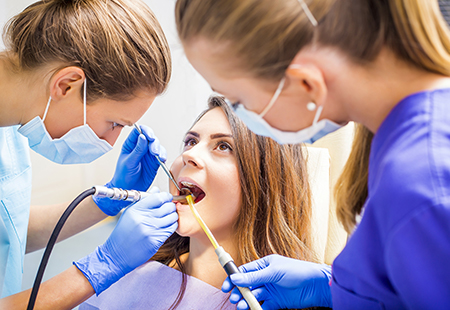
Treating a cavity begins with a careful examination and, when appropriate, diagnostic imaging to determine the extent of decay. Your dentist will explain the findings and outline the recommended restoration, including the material choice and the steps involved. For most straightforward fillings, you can expect a single appointment with clear, predictable stages.
On the day of treatment, local anesthesia is typically used to ensure the area is numb and you feel minimal to no discomfort. The dentist gently removes the decayed tooth structure using a dental handpiece, air abrasion, or other conservative techniques. Once the cavity is cleaned and shaped, the chosen filling material is placed and finished with careful adjustments to your bite.
For larger cavities or situations where a temporary restoration is needed before the final work, a short-term dressing may be placed and a follow-up appointment scheduled. If you have dental anxiety, we offer options to help you feel more comfortable and can discuss sedation approaches that suit your needs during the consultation.

After your restoration is placed, it’s normal to experience mild sensitivity for a few days as the tooth adjusts. This sensitivity usually subsides on its own, but if you notice intense or worsening pain, prolonged sensitivity, or unexpected swelling, contact our team so we can evaluate the situation. In most cases, minor adjustments or simple remedies resolve these concerns quickly.
Care for a filled tooth is much like caring for natural teeth: brush twice daily with a fluoride toothpaste, floss daily, and keep regular dental visits for professional cleans and exams. Avoid using your teeth to open packages or bite very hard objects, and discuss any clenching or grinding habits with your dentist, as these can shorten the life of restorations.
With proper home care and periodic professional monitoring, fillings can last many years. If a filling shows signs of wear, recurrent decay, or damage, your dentist will review options for repair or replacement to maintain function and protect the tooth’s long-term health.
We’re committed to providing thoughtful, modern restorative care that preserves your smile and minimizes future problems. If you have questions about fillings or would like to learn which option is best for your situation, please contact us for more information.
Dental fillings are restorations used to repair teeth that have been damaged by decay or minor fractures and to restore normal shape and function. The procedure removes weakened or infected tooth structure and replaces it with a durable material that helps the tooth resist daily chewing forces. The primary goals are to stop the progression of decay, preserve as much healthy tooth as possible, and restore comfortable chewing.
Fillings are often recommended when a cavity is detected early or when a small portion of the tooth has been compromised by trauma or wear. Many straightforward cases can be completed in a single visit using modern materials that blend with natural teeth. At All About Smiles in Stockton we prioritize precise diagnosis and conservative preparations so fillings perform well and look natural.
Choosing a filling material depends on several clinical factors, including the size and location of the cavity, how much tooth structure remains, and whether the tooth endures heavy chewing forces. Aesthetic considerations also matter for visible front teeth, while durability is often the priority for rear molars. Your dentist will evaluate these factors and explain the options that best balance appearance, strength, and long-term oral health.
Other practical considerations include moisture control during placement, the patient’s bite and oral habits, and any medical concerns or allergies. When a material requires special laboratory fabrication, that will influence the treatment sequence and timeline. Open communication about goals and expectations helps ensure a material choice that suits your needs.
A typical appointment begins with a careful exam and any necessary X-rays to assess the extent of decay or damage. Local anesthesia is applied to keep you comfortable while the dentist removes decayed tissue and shapes the cavity using conservative techniques designed to preserve healthy enamel and dentin. The chosen restorative material is then placed, finished and polished, with careful adjustments to ensure your bite feels natural.
Most straightforward fillings are completed in one visit, though larger or more complex restorations may require a temporary dressing and a follow-up appointment. Your dentist will review postoperative care and expected sensitivity, and discuss any comfort options you prefer. During your visit to All About Smiles the team will make sure you understand each step and feel comfortable throughout the process.
Composite resins are popular because they can be closely matched to your tooth shade and bonded directly to tooth structure, allowing for more conservative preparations that preserve enamel. Because composites adhere to the tooth, they can help reinforce weakened areas and provide a natural-looking result, which makes them a common choice for visible teeth. Placement is done in layers and cured with a special light to build strength and contour the restoration for a seamless finish.
Limitations of composite materials include the potential for gradual wear or staining over many years, especially with certain diets or oral habits. In very large restorations or areas with extremely high chewing forces, other materials such as ceramic onlays or indirect restorations may offer greater long-term durability. Your dentist will explain these trade-offs so you can choose what best meets your functional and cosmetic priorities.
Ceramic inlays, onlays, and other lab-made restorations are often recommended when a cavity is too large for a direct filling but the tooth does not require a full crown. These indirect restorations are fabricated in a dental laboratory from porcelain or other ceramics, then bonded to the tooth to provide excellent strength, fit and aesthetics. Because they are highly wear- and stain-resistant, ceramics are a strong choice for larger restorations where longevity and appearance are important.
The process typically involves two appointments: one to prepare the tooth and take impressions or digital scans, and another to bond the final restoration. Indirect restorations allow precise control over occlusion and contour, which can improve function for teeth that receive heavy chewing loads. Your dentist will recommend this option when it best preserves tooth structure and optimizes long-term outcomes.
The lifespan of a filling varies with the material used, the size and location of the restoration, oral hygiene, and a patient’s bite and habits such as grinding or chewing hard objects. Composites and glass ionomers may wear sooner in high-stress areas, while ceramics and well-made metal restorations often last longer with proper care. Regular dental exams allow your provider to monitor restorations for signs of wear, leakage or recurrent decay.
Other factors that influence longevity include fluoride exposure, diet, and how well the restoration was placed and polished. Early detection of small issues makes repairs simpler and can extend the useful life of a filling. Good home care and routine professional maintenance are key to preserving any restoration for many years.
Common signs that a filling may need attention include persistent or worsening sensitivity, sharp pain when biting, a rough or loose-feeling surface, visible cracks or gaps at the edge of the filling, or dark staining that suggests recurrent decay. Swelling or signs of infection near the treated tooth also warrant prompt evaluation. Any sudden changes in how a restored tooth feels should be reported to your dentist for assessment.
During an exam, your dentist will check the margins of the restoration, test the tooth’s response, and use X-rays when necessary to look for decay beneath a filling. Many issues can be managed conservatively if caught early, but delayed care can lead to more extensive treatment. Timely professional review helps preserve the tooth and prevents progression to more invasive procedures.
Care for a filled tooth follows the same fundamentals of oral hygiene as natural teeth: brush twice daily with a fluoride toothpaste, floss daily, and maintain regular dental checkups and professional cleanings. Avoid using your teeth to open packages or bite hard objects, and be mindful of chewing on ice or other very hard substances that can stress restorations. If you grind or clench your teeth, discuss protective options with your dentist to reduce wear on fillings.
Mild sensitivity for a few days after placement is common and usually resolves on its own, but contact your dental team if pain intensifies or does not improve. Keeping the restoration and surrounding tooth clean reduces the risk of recurrent decay, and periodic professional assessment ensures any early issues are addressed before they become more serious. Good daily habits combined with regular dental care are the best ways to extend the life of a filling.
Treating primary (baby) teeth requires special consideration of tooth anatomy, behavior management, and the expected time until natural exfoliation. Materials like glass ionomer are often chosen for young children because they chemically bond to tooth structure and release fluoride, which can help protect the surrounding enamel. When a restoration must last only until the tooth naturally falls out, the dentist may select a material and technique that balance longevity with minimal invasiveness.
Behavioral approaches and age-appropriate communication help make treatment more comfortable for children, and the dental team will explain options for topical anesthetics or gentle local anesthesia. For extensive decay or when a primary tooth plays a critical role in chewing or space maintenance, alternative restorations such as crowns may be recommended. Regular monitoring ensures that restorative care supports both oral health and normal dental development.
Dental teams offer several strategies to help patients feel more comfortable, ranging from simple communication and breaks during treatment to topical anesthetics and effective local anesthesia that minimize sensation. For patients with moderate anxiety, nitrous oxide (laughing gas) can provide relaxation while allowing the patient to remain awake and responsive. When needed, oral sedation or other sedation techniques may be discussed to ensure a safe, calm experience tailored to individual needs.
Before treatment, share your concerns and medical history with the dental team so they can recommend the most appropriate comfort measures and ensure your safety. Clear explanations of each step, a predictable treatment plan, and options for additional support help many patients feel more at ease. Your dentist will work with you to create a care plan that respects your comfort and clinical needs.

Before or after office hours appointments available upon request.