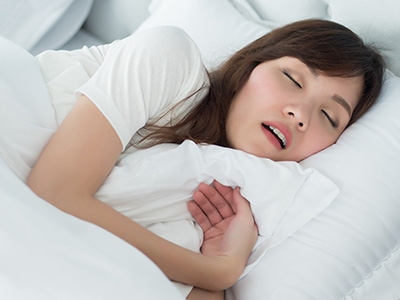
The image shows a man lying in bed with his eyes closed, appearing to be asleep or resting, with a white pillow under his head.

Snoring Appliances

Snoring happens when the air that moves through your airway during sleep causes soft tissues at the back of the throat to vibrate. For many people this is an occasional annoyance, but for others it becomes a nightly disruption that affects sleep quality for themselves and anyone who shares the room. Understanding the mechanics behind snoring is the first step toward finding a comfortable, effective solution.

While brief episodes of snoring are common, persistent loud snoring can sometimes point to a broader sleep-breathing issue. Not all snorers have obstructive sleep apnea, but because the two conditions can overlap, it’s important to evaluate the pattern and severity of symptoms rather than assume it’s harmless. Our goal is to help patients and their partners sleep more soundly while prioritizing safety and long-term health.

Several physical and lifestyle factors influence whether someone snores regularly. These contributors are often reversible or manageable, and identifying which factors apply to you helps guide appropriate treatment choices.

  • Nasal obstruction or chronic congestion that restricts airflow through the nose
  • Reduced muscle tone in the tongue and throat, which can allow tissues to collapse during sleep
  • Anatomical features such as a large soft palate, elongated uvula, or excess tissue in the throat
  • Alcohol, certain medications that relax muscles, or irregular sleep schedules
  • Sleeping position—lying on the back can make snoring more likely

How anatomy and airflow create snoring

Snoring is essentially a mechanical event: when air passage narrows, the increased airflow velocity causes soft tissues to vibrate. Those vibrations produce the characteristic sounds we recognize as snoring. The exact pitch and intensity depend on which tissues are involved and how much they move during inhalation and exhalation.

Every airway is unique. Some people have naturally narrower passages or larger soft tissue structures, while others develop changes over time due to weight gain, aging, or prior injuries. These variations mean that two people with similar snoring volume might have very different underlying reasons for it—and therefore need different approaches to treatment.

Because snoring is driven by airflow and structure, effective treatment typically aims to restore a more open, stable airway during sleep. That can involve behavioral changes, positional strategies, medical treatment for nasal issues, or oral devices that reposition the jaw and tongue to improve breathing mechanics.

When snoring requires further evaluation

Occasional snoring is often benign, but persistent, loud snoring—especially when combined with choking, gasping, long pauses in breathing, excessive daytime sleepiness, or morning headaches—warrants further assessment. Those symptoms can indicate obstructive sleep apnea (OSA), a condition where the airway partially or completely collapses repeatedly during sleep.

Determining whether snoring is an isolated problem or a sign of OSA typically involves a clinical review of symptoms and, when indicated, sleep testing arranged through a physician or sleep specialist. A careful screening helps ensure that patients receive an appropriate plan; for many, a snoring appliance is ideal, but for others, more comprehensive medical management may be necessary.

Our team works with patients and their physicians to make sure any appliance therapy is safe and suitable. If there are red flags for sleep apnea, we recommend medical evaluation and diagnostic testing before starting oral appliance therapy so that any serious conditions receive the attention they need.

What a custom snoring appliance does and how it differs from other options

Custom oral appliances are removable devices worn at night that gently reposition the lower jaw or stabilize the tongue to enlarge the space behind the throat. Unlike bulky, over-the-counter mouthpieces, a professionally fabricated appliance is tailored to your bite and jaw anatomy for comfortable fit and predictable performance.

These devices are non-invasive and reversible, making them an attractive option for patients who prefer alternatives to continuous positive airway pressure (CPAP) therapy or for those who cannot tolerate other treatments. By improving airway alignment and reducing the tendency of soft tissues to vibrate, the appliance can significantly reduce snoring in appropriate candidates.

It’s important to understand that appliances vary in design and function. A device prescribed by a dental professional is chosen based on individual anatomy, sleeping behavior, and any existing dental or jaw conditions to optimize both comfort and effectiveness.

Who benefits from an oral appliance and how we determine suitability

Good candidates for a snoring appliance typically include patients whose primary issue is positional or anatomical snoring without significant obstructive sleep apnea. Those who have trouble tolerating CPAP, who travel frequently, or who prefer a less obtrusive nightly solution often appreciate the convenience and simplicity of an oral appliance.

Evaluation begins with a thorough dental and medical history, an examination of the airway and jaw range of motion, and discussion of sleep patterns and daytime symptoms. When needed, we coordinate with your physician or a sleep specialist to review any prior sleep studies or to recommend testing before proceeding.

Once suitability is confirmed, we take precise impressions of your teeth and bite to fabricate a custom device. The careful fit reduces irritation, helps maintain dental health, and improves the likelihood of consistent nightly use—an important factor in achieving meaningful symptom improvement.

Using and caring for your appliance: practical advice and expectations

After receiving a custom appliance, patients typically return for a short adjustment appointment to fine-tune comfort and fit. Those early visits are important; small modifications can make a big difference in ease of wear and overall effectiveness. We also check bite alignment and discuss what changes to watch for over time.

Daily care is straightforward: rinse the device after use, brush it gently with a soft toothbrush, and store it in its case away from heat. Regular follow-up visits—usually every six to twelve months—allow us to monitor dental changes, assess appliance wear, and address any jaw or bite concerns that may emerge.

While many patients experience substantial reductions in snoring, outcomes can vary. Changes in weight, medication, or sleep position can influence results, and some patients require complementary strategies—such as nasal care or positional therapy—to reach their goals. Open communication with your dental team helps set realistic expectations and ensures the appliance continues to meet your needs.

At All About Smiles, our approach to snoring appliances combines clinical assessment, careful fabrication, and ongoing follow-up so patients receive a treatment plan that fits their lifestyle and health priorities. If you’re curious whether an oral appliance could help you or a loved one sleep better, contact us to learn more and discuss the next steps.

Frequently Asked Questions

What causes snoring and how do snoring appliances help?

+

Snoring occurs when airflow through the nose and throat causes soft tissues in the upper airway to vibrate during sleep. Common contributors include nasal congestion, reduced muscle tone in the tongue and throat, anatomical features such as a long soft palate, and sleeping on the back. Because vibration is a mechanical process, treatments that change airway shape or airflow can reduce or eliminate the sound of snoring.

Custom snoring appliances work by repositioning the lower jaw or stabilizing the tongue to enlarge the space behind the throat and reduce tissue vibration. These devices are fabricated to fit a patient’s bite and jaw anatomy, which improves comfort and consistency of use compared with generic over-the-counter options. For appropriately selected patients, a well-fitting appliance can meaningfully decrease snoring and improve sleep for both the patient and their bed partner.

How do I know if my snoring needs medical evaluation before using an oral appliance?

+

Persistent loud snoring with choking, gasping, witnessed pauses in breathing, excessive daytime sleepiness, or morning headaches can be signs of obstructive sleep apnea (OSA) and should prompt medical evaluation. A physician or sleep specialist may recommend screening or formal sleep testing to determine whether OSA is present and to assess its severity. Identifying OSA is important because treatment priorities and safety considerations differ from isolated snoring.

When red flags for sleep apnea exist, our team coordinates care with medical providers to ensure appropriate testing and follow-up. If OSA is diagnosed, appliance therapy may still be an option in certain cases but often requires discussion with the treating physician about the best overall plan. Ensuring a safe, evidence-based approach protects long-term health while addressing snoring symptoms.

What types of custom snoring appliances are available and how do they differ?

+

The two main categories of oral appliances for snoring are mandibular advancement devices (MADs) and tongue-stabilizing devices (TSDs). MADs reposition the lower jaw slightly forward to increase airway space, while TSDs hold the tongue forward to prevent it from collapsing into the airway. Each design has different mechanics, levels of adjustability, and implications for dental fit and comfort.

Selection depends on anatomy, dental status, jaw mobility, and sleeping behavior, so a device that works well for one person may not be ideal for another. Custom fabrication allows the clinician to choose a model and fine-tune adjustments that balance effectiveness with comfort. Regular follow-up ensures the chosen device continues to perform well as anatomy or symptoms change over time.

Who is a good candidate for a snoring appliance?

+

Good candidates typically include people whose primary issue is snoring related to airway anatomy or position, without significant untreated obstructive sleep apnea. Patients who cannot tolerate CPAP, who travel frequently, or who prefer a less obtrusive nightly solution often consider an oral appliance as a practical alternative. Adequate dental support and jaw health are important factors in determining suitability.

Individuals with insufficient teeth, active untreated periodontal disease, or severe temporomandibular joint disorders may not be appropriate candidates until those issues are addressed. A thorough dental and medical evaluation helps identify contraindications and ensures the device will be both safe and effective. When in doubt, coordinated care with a physician or sleep specialist provides additional guidance.

What should I expect during the evaluation and fitting process for a custom appliance?

+

The process begins with a detailed medical and dental history, an airway examination, and discussion of sleep patterns and daytime symptoms. If indicated, we review prior sleep testing or coordinate with your physician to obtain diagnostic information before moving forward. A dental examination assesses tooth and jaw health and ensures there are no contraindications to appliance therapy.

If you are a candidate, we take precise impressions or digital scans of your teeth and bite to fabricate a custom device tailored to your anatomy. After delivery, short adjustment visits refine fit and comfort and may include incremental jaw positioning to optimize breathing and reduce side effects. Regular review appointments allow us to monitor fit, dental changes, and symptom improvement over time.

How do I care for and maintain my snoring appliance?

+

Daily care is simple and helps prolong the life of the device: rinse it after each use, brush it gently with a soft toothbrush, and store it in a protective case away from heat and direct sunlight. Avoid using harsh chemicals or hot water that can distort the appliance, and follow any specific cleaning advice provided at delivery. Consistent nightly use and proper care contribute to predictable performance.

Inspect the device regularly for signs of wear, cracks, or changes in fit, and bring it to follow-up appointments so we can evaluate function and make adjustments if needed. Routine dental checkups every six to twelve months allow us to assess for tooth movement, bite changes, or jaw symptoms related to appliance use. Prompt reporting of discomfort or new dental changes helps us address issues early and maintain safe therapy.

Are there common side effects or dental risks associated with oral appliance therapy?

+

Some patients experience temporary side effects such as jaw soreness, tooth tenderness, increased salivation, or dry mouth during the initial adaptation period. Mild changes in bite or tooth position can occur over long-term use, particularly if follow-up care is not maintained, so monitoring by a dental professional is important. Most side effects are manageable with adjustments, short-term pain control, or guided wear schedules.

More significant problems—such as persistent TMJ pain or progressive tooth movement—are less common but possible, and they may require modifying or discontinuing therapy. Open communication with your dental team and timely follow-up visits minimize risks and help maintain both oral health and treatment benefit. If concerning symptoms develop, the device can be removed while alternative strategies are explored.

How long does it take to notice improvement in snoring after starting appliance therapy?

+

Many patients and their bed partners notice a reduction in snoring within a few nights to a few weeks of consistent nightly use, although results vary based on anatomy, device type, and sleeping habits. Initial benefits may become more pronounced after in-office adjustments that fine-tune jaw position and comfort. Consistency of wear is a key factor in achieving and maintaining improvement.

For some people, complementary measures such as nasal care, positional therapy, or lifestyle changes improve outcomes when used alongside an oral appliance. If expected improvement does not occur after careful adjustment, further evaluation with a sleep specialist or repeat testing may be recommended to determine next steps. Ongoing follow-up ensures the chosen approach continues to meet clinical goals.

Can a snoring appliance be used with other noninvasive therapies?

+

Yes. Oral appliances are often combined with other conservative strategies to address multiple contributing factors to snoring. Examples include nasal treatments to relieve congestion, positional therapy to discourage back sleeping, and sleep hygiene measures or weight-management strategies when appropriate.

When obstructive sleep apnea is present, combination therapy should be coordinated with a physician or sleep specialist to ensure safety and effectiveness. Collaboration between dental and medical providers allows for comprehensive care planning that addresses both symptoms and underlying conditions. This team approach helps tailor therapy to individual needs while monitoring outcomes over time.

Why should I choose All About Smiles in Stockton for my snoring appliance needs?

+

At All About Smiles in Stockton, our approach to snoring appliances emphasizes careful clinical assessment, custom fabrication, and ongoing follow-up to support safe, effective care. We evaluate dental and airway factors, coordinate with medical providers when screening for obstructive sleep apnea is needed, and personalize device selection to match each patient’s anatomy and lifestyle.

Our team provides in-office adjustments, monitoring for dental or jaw changes, and guidance on appliance care to help patients achieve consistent results and long-term comfort. If you are considering an oral appliance for snoring, we can discuss evaluation steps and coordinate any necessary referrals to ensure your treatment plan is both appropriate and well supported.

The image displays a collection of beauty products neatly arranged on a wooden tray with a white surface background.

Begin Your Path to a Smile You’ll Love