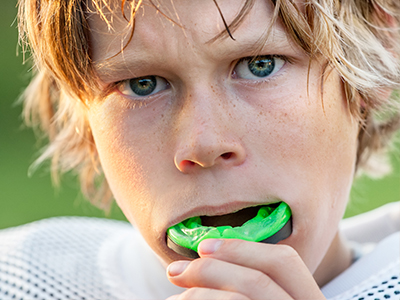


Sports-related impacts are a leading cause of dental injuries for athletes of every age. A mouthguard acts as the first line of defense against sudden blows that can chip, fracture, or completely dislodge teeth. Beyond protecting individual teeth, a properly fitted mouthguard helps cushion the jaw and reduce the risk of soft-tissue lacerations to the lips, cheeks, and tongue that often accompany collisions or falls.
For youth athletes, whose jaws and teeth are still developing, the protective value of a mouthguard is especially important. Even in non-contact sports, accidental collisions or slips can create forces that damage dental work or undermine long-term oral health. Encouraging routine mouthguard use creates safer habits that protect smiles through adolescence and into adulthood.
Wearing the right mouthguard also supports overall athletic performance by providing confidence and reducing worry about injury. When athletes know they have effective protection, they can focus on technique and teamwork instead of anticipating a painful impact. At All About Smiles, we emphasize the role of preventative care in sports safety and partner with patients and families to find solutions that fit both their lifestyle and oral health needs.
There are three common categories of mouthguards available: off-the-shelf stock models, boil-and-bite varieties sold at retail, and dentist-fabricated custom guards. Stock mouthguards are pre-formed and ready to wear but often fit poorly and offer inconsistent protection because they cannot be adapted to an individual's dental anatomy. Boil-and-bite guards improve on fit by allowing limited shaping at home, yet they still fall short of the precision and comfort that a custom device can deliver.
Custom mouthguards are crafted from impressions or digital scans of the patient’s teeth, producing a precise fit that maximizes protection while minimizing bulk. This tailored fit prevents excessive movement, reduces breathing interference, and improves speech compared with generic alternatives. For athletes who compete frequently, play high-impact sports, or wear orthodontic appliances, the added protection and comfort of a custom guard can make a meaningful difference in safety and compliance.
When evaluating options, consider the balance of protection, fit, and durability. While stock and boil-and-bite guards may be suitable for casual or occasional use, custom mouthguards are designed to meet the specific needs of individual athletes and are often recommended when optimal protection is the priority. Your dentist can help you choose the best type based on your sport, dental condition, and personal preferences.
It’s also important to select materials appropriate for the athlete’s age and activity level. Modern dental-grade thermoplastic materials provide a combination of shock absorption, resilience, and long-term comfort that many over-the-counter products cannot match. Discussing material choices with your dental provider ensures the finished device supports both safety and wearability.
The process of creating a custom mouthguard begins with a careful assessment of the patient’s teeth, bite, and mouth structure. A dentist will take an impression or use an intraoral scanner to capture a precise three-dimensional record of the arch. This data is used to craft a mouthguard that conforms closely to the teeth and gums, ensuring stability without undue pressure.
Fabrication methods vary but generally involve layering and shaping dental-grade materials to achieve the desired thickness and shock-absorbing properties. The result is a streamlined device that covers the teeth securely while allowing natural jaw movement and breathing. For athletes wearing braces or other orthodontic appliances, custom guards can be designed to accommodate hardware and protect vulnerable areas without compromising treatment.
Once the mouthguard is fabricated, the dentist will perform a fit check and make any minor adjustments needed for comfort and function. Patients should expect a brief follow-up to confirm fit and address questions about care. Over time, periodic evaluations help ensure the guard continues to protect effectively, particularly after dental changes such as new restorations, orthodontic adjustments, or erupting permanent teeth in younger patients.
Not all sports carry the same risk for oral injury, and the ideal mouthguard reflects that variation. Full-contact sports like football, ice hockey, and martial arts place athletes at higher risk for direct facial impacts and typically call for robust, high-coverage guards. Sports that involve projectiles — such as baseball, lacrosse, and softball — also present significant risk, especially for players in close proximity to fast-moving balls or sticks.
Even non-contact activities like skateboarding, cheerleading, or cycling can lead to fall-related dental trauma, so the decision to use a mouthguard should consider both the activity and the athlete’s exposure to potential hazards. Younger or less-experienced players benefit from guards that emphasize coverage and stability, while elite athletes may prioritize slim, performance-oriented designs that balance protection with minimal interference during play.
Coaches, parents, and athletes should also consider sport-specific rules and equipment compatibility. Many leagues and schools mandate mouthguard use for certain sports; in other contexts, selecting a guard that fits comfortably with helmets, face shields, or orthodontic appliances helps ensure consistent use. Your dental team can recommend styles and features that align with the demands of your particular sport and competitive level.
Encouraging consistent use is as important as choosing the right device. A mouthguard that fits well and feels unobtrusive is far more likely to be worn reliably — and that reliability is the best defense against preventable dental injuries.
Proper care extends the life of a mouthguard and keeps it hygienic between uses. Rinse the device with cool water immediately after play to remove saliva and debris, then clean it daily with a soft brush and mild soap or a non-abrasive toothpaste. Avoid hot water, which can warp thermoplastic materials, and store the guard in a ventilated case to prevent mold and odor while protecting it from crushing forces.
Regular inspection is essential. Replace a mouthguard if it shows signs of thinning, fraying, cracking, or obvious distortion, as these changes compromise protection. Children and adolescents will require more frequent replacements due to jaw growth and shifting teeth; adults should also have their guard evaluated during routine dental visits or any time a dental procedure alters the bite.
If a mouthguard becomes uncomfortable, interferes with breathing, or no longer fits snugly, schedule an appointment to have it assessed. Adjustments or refabrication may be necessary after new restorations, orthodontic work, or changes in oral health. Routine professional checkups help ensure the mouthguard continues to perform as intended and that athletes remain protected season after season.
Summary and next steps: A well-chosen, well-maintained mouthguard is a practical and effective way to protect teeth, soft tissues, and jaw integrity during athletic activities. Whether you’re selecting an over-the-counter option for occasional play or investing in a custom-fitted device for competitive sports, the goal is the same — prevent injury and preserve long-term oral health. For guidance tailored to your sport, age, and dental situation, contact All About Smiles to speak with our team and arrange an evaluation. We’ll help you choose a mouthguard that fits comfortably and performs reliably so you can play with confidence.
A sports mouthguard helps protect teeth from chipping, fracturing, or being knocked out during impacts and falls. It also cushions the jaw and reduces the chance of soft-tissue injuries to the lips, cheeks, and tongue that often accompany collisions. By stabilizing the dental arch, a properly fitted guard can limit tooth movement that might otherwise damage restorations or natural teeth.
In addition to protecting individual teeth and soft tissues, a mouthguard can help distribute force across the jaw, which may reduce the severity of localized trauma. For younger athletes, mouthguards support developing teeth and jaws by preventing traumatic displacement during growth. Consistent use creates safer habits that protect long-term oral health throughout an athletic career.
Stock mouthguards are pre-formed and ready to wear but often fit poorly because they cannot be adapted to an individual’s dental anatomy. Boil-and-bite guards offer an improved fit by softening in hot water and molding to the teeth, yet they still provide only a limited level of customization and can be bulky or inconsistent. Custom mouthguards are made from dental impressions or digital scans, producing a precise fit that maximizes protection and comfort.
Custom devices typically have better retention, less excess material, and improved breathability and speech compared with over-the-counter options. They are manufactured from dental-grade materials chosen for shock absorption and durability, and can be fabricated to accommodate orthodontic appliances or specific sport demands. Choosing between these options depends on the athlete’s needs, frequency of play, and tolerance for fit and comfort.
A custom mouthguard is often recommended for athletes who participate in high-contact or high-speed sports such as football, hockey, lacrosse, martial arts, and baseball. Players who compete frequently, rely on peak performance, wear orthodontic appliances, or have existing restorations will benefit from the superior fit and protection a custom device provides. Young athletes with developing teeth can also gain added security and a properly contoured fit that adapts to growth.
The office of All About Smiles can evaluate individual risk factors and recommend when a custom guard is appropriate based on sport, position, and dental condition. In many cases, the increased comfort and stability of a custom appliance leads to higher compliance and better long-term protection. If an athlete or parent is unsure which option to choose, a clinical assessment is the best next step.
Creating a custom mouthguard begins with a thorough dental assessment and the capture of the dental arches using either traditional impressions or an intraoral digital scan. The recorded anatomy is used by a dental laboratory or in-office fabrication system to form layered, dental-grade materials that balance thickness, flexibility, and shock absorption. The result is a device tailored to the patient’s bite that covers the teeth securely while allowing natural jaw movement.
At delivery, the dentist performs a fit check and makes any minor adjustments needed for comfort, retention, and breathing. Patients typically receive instructions on wearing and caring for the guard, and a brief follow-up may be scheduled to confirm fit during active use. Periodic reevaluations ensure the guard continues to protect effectively after dental changes or growth.
Rinse your mouthguard with cool water immediately after use to remove saliva and debris, then clean it daily with a soft toothbrush and mild soap or non-abrasive toothpaste. Avoid hot water and harsh chemicals that can warp or degrade the material, and do not use abrasive brushes or whitening agents that could damage the surface. Allow the guard to air dry before storing it to reduce moisture buildup and odor.
Store the mouthguard in a ventilated, rigid case to protect it from crushing and to allow airflow between uses. Keep the case clean by rinsing it regularly and replacing it if it becomes cracked or warped. For travel, carry the guard in its case and avoid leaving it in high-heat environments such as a car dashboard or direct sunlight.
Replace a mouthguard if you notice thinning, fraying, cracking, discoloration, or any distortion that changes how it fits over the teeth. These signs indicate the device may no longer provide adequate protection and can compromise safety during play. Children and adolescents typically need more frequent replacements because of jaw growth and shifting teeth, while adults should have guards evaluated after major dental work or if the fit changes.
In addition to visible wear, replace a mouthguard if it becomes uncomfortable, interferes with breathing, or no longer stays securely in place. Schedule an appointment with your dental provider for assessment if you suspect a change in fit or function, and bring the guard to routine checkups so the team can advise on repair or refabrication. Regular professional evaluations help ensure the appliance protects effectively season after season.
Yes. Athletes with braces, fixed appliances, or extensive restorations should use a mouthguard designed to accommodate those conditions to prevent injury and protect hardware. Over-the-counter options may be inadequate because they cannot reliably clear brackets and wires, whereas custom guards can be fabricated with extra space and specific contours to fit safely over orthodontic work. A properly designed guard minimizes pressure on brackets and reduces the risk of soft-tissue cuts from exposed wires.
Discuss your orthodontic treatment or restorations with your dentist so the mouthguard can be tailored to your situation. Custom appliances often provide the best fit and protection for patients undergoing active dental treatment, and periodic adjustments to the guard may be necessary as treatment progresses. Your dental team can recommend the most suitable solution and timing for fabrication to ensure both protection and ongoing orthodontic care.
A well-fitted mouthguard should minimize interference with breathing and speech, allowing most athletes to perform without significant hindrance. Custom guards are typically slimmer and contoured to the dental arches, which preserves airway space and reduces impact on enunciation. Athletes may notice a short adjustment period as they become accustomed to the feel of the device, but practice wearing the guard during drills helps accelerate adaptation.
For high-performance athletes, there are design options that emphasize breathability and low bulk while maintaining protection. If a mouthguard significantly impairs breathing or communication, have it evaluated and adjusted by your dentist rather than abandoning use. Proper design and fit are key to balancing protection with comfort and performance needs.
Look for mouthguards made from dental-grade thermoplastic or similar resilient materials that combine shock absorption with long-term durability. Thickness is a balance: thicker sections provide more impact protection, especially in contact sports, while thinner, performance-oriented designs reduce bulk and improve comfort for athletes who prioritize minimal interference. Many custom guards use layered construction to vary thickness where protection is most needed, such as the incisal edges and occlusal surfaces.
Material choice also affects flexibility, temperature stability, and resistance to deformation, so discuss options with your dental provider to match the guard to the athlete’s sport and position. For younger players, materials that tolerate growth and occasional replacement cycles are practical, while competitive athletes may choose advanced composites for enhanced performance. Your dentist can explain the pros and cons of available materials and recommend a configuration tailored to your needs.
Schedule an evaluation at All About Smiles in Stockton to begin the process, where the dentist will assess your teeth, bite, and specific sport-related risks. The team will capture an impression or digital scan of your arches and discuss material and design preferences that align with your position, frequency of play, and any dental appliances. This clinical information guides the fabrication of a guard that fits securely and performs reliably.
After fabrication, you will return for a fit check and any minor adjustments to ensure comfort, retention, and breathing during activity. The dental team will provide care and storage instructions and recommend follow-up intervals to monitor fit as teeth or appliances change. With professional fabrication and routine evaluation, a custom mouthguard becomes a dependable part of safe athletic participation.

Before or after office hours appointments available upon request.